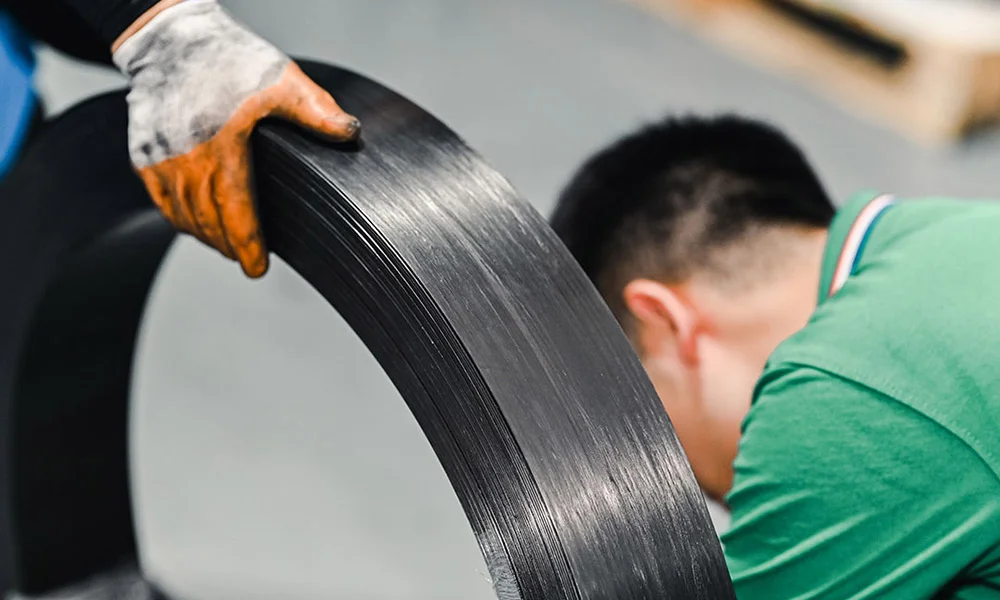
The industrial materials sector continues to evolve as innovation, sustainability, and performance become major priorities for manufacturers worldwide. The carbon black market has experienced significant changes due to growing industrial demand, technological advancements, and the need for high-quality materials across multiple sectors. These developments are reshaping production strategies while creating new opportunities for advanced carbon material solutions.
Carbon materials play a vital role in strengthening products, improving conductivity, and enhancing durability across industries such as automotive, construction, plastics, packaging, and energy storage. As manufacturing requirements continue to grow, material innovation remains essential for supporting efficient production and long-term industrial progress.
Industrial Demand Influencing Market Growth
The increasing use of advanced carbon materials across diverse industries has become one of the primary drivers of market expansion. Manufacturers are focusing on materials that offer durability, consistent quality, and reliable performance while supporting efficient large-scale production. This growing demand continues to influence investment in advanced manufacturing technologies and material development.
Global industries are also expanding their use of carbon-based solutions in applications that require improved mechanical strength, conductivity, and thermal stability. As industrial requirements become more specialized, manufacturers continue investing in research and innovation to develop materials capable of meeting evolving performance expectations.
Material Innovation Supporting Market Development
Continuous improvements in material science are reshaping the development of advanced carbon solutions. Research efforts focus on improving particle structure, dispersion characteristics, and functional performance, allowing manufacturers to produce materials with greater efficiency and reliability for industrial applications.
Manufacturing decisions are also influenced by the cost of carbon black, as industries seek materials that provide long-term value without compromising performance. Modern production technologies help optimize manufacturing efficiency while maintaining consistent material quality across different industrial sectors.
Factors Driving Changes in Carbon Material Solutions
Market shifts are closely connected to advancements in manufacturing technologies, evolving customer expectations, and increasing sustainability goals. These factors continue to influence the way carbon materials are produced, processed, and applied across industrial sectors.
- Growing Demand for High-Performance Materials
Industries increasingly require materials capable of delivering greater durability, lightweight performance, and improved operational efficiency. Advanced carbon technologies help manufacturers achieve these objectives while maintaining product reliability.
- Advancements in Manufacturing Technologies
Automation, digital process control, and precision engineering have significantly improved carbon material production. These technologies enable manufacturers to achieve higher consistency, improved productivity, and reduced material waste throughout production cycles.
- Expansion of Industrial Applications
The carbon black market continues to grow as carbon materials find new applications in automotive components, plastics, batteries, coatings, construction materials, and packaging solutions. This broad adoption reflects the increasing versatility of advanced carbon technologies.
- Sustainability and Resource Efficiency
Manufacturers are adopting cleaner production methods and resource-efficient technologies to reduce environmental impact. Sustainable manufacturing practices are becoming an important factor in long-term market development.
- Supply Chain Modernization
Modern supply chain strategies improve material availability, logistics efficiency, and production planning. Better coordination across global manufacturing networks helps ensure a consistent supply of advanced carbon materials while supporting industrial growth.
Technological Advancements Strengthening Carbon Material Solutions
Continuous technological progress has significantly improved the quality and performance of advanced carbon materials. Modern manufacturing systems combine automation, process optimization, and material engineering to produce solutions that meet the evolving requirements of global industries. These innovations help manufacturers improve efficiency while maintaining high standards of consistency and reliability.
Production planning is also influenced by the cost of carbon black, encouraging manufacturers to optimize raw material utilization and adopt efficient processing methods. This balanced approach supports sustainable manufacturing while maintaining product quality and operational performance.
Expanding Industrial Applications of Carbon Materials
The growing versatility of carbon materials has enabled their use across a wide range of industrial sectors. Continuous innovation has expanded their applications beyond traditional manufacturing, supporting products that require improved strength, conductivity, durability, and long-term performance.
- Automotive Manufacturing
Carbon materials strengthen tyres, seals, hoses, and engineered rubber components. Their reinforcement capabilities improve durability, wear resistance, and operational safety under demanding conditions.
- Plastic and Polymer Products
Carbon-based additives improve the strength, UV resistance, and dimensional stability of plastic products. These materials help manufacturers produce durable components suitable for industrial and consumer applications.
- Construction and Infrastructure
Advanced carbon materials contribute to stronger construction products by improving weather resistance, structural stability, and long-term durability in infrastructure projects.
- Energy Storage Technologies
Carbon materials enhance conductivity and stability in energy storage systems, supporting the development of efficient batteries and other advanced electrical applications.
- Coatings and Specialty Applications
Specialized carbon materials improve coating performance by enhancing durability, conductivity, and resistance to environmental exposure across industrial surfaces.
Market Opportunities Across Global Industries
The expansion of advanced manufacturing has created new opportunities for carbon material producers across international markets. Industries continue to seek innovative solutions that improve operational efficiency while meeting strict quality standards.
Growing investments in research, digital manufacturing, and sustainable production technologies are creating favorable conditions for long-term market growth. These developments support stronger industrial partnerships and encourage continued innovation throughout the carbon materials sector.
Key Factors Supporting Long-Term Market Growth
Several factors continue to strengthen the outlook for advanced carbon material solutions:
- Growing demand from automotive, construction, and plastics industries.
- Continuous investment in research and manufacturing technologies.
- Expansion of sustainable production practices.
- Increased adoption of automation and digital manufacturing.
- Rising need for durable, high-performance industrial materials.
Together, these factors support steady market growth while encouraging continuous innovation across global manufacturing industries.
Conclusion
Market shifts in advanced carbon material solutions reflect the increasing demand for high-performance materials, sustainable production, and continuous innovation. As industries modernize their manufacturing systems, carbon technologies will remain essential for improving efficiency, durability, and long-term product performance.
Supporting this progress are organizations dedicated to advancing material science through research and innovation. Among them, Birla Carbon continues to deliver advanced solutions that strengthen industrial manufacturing across diverse applications. Its expertise also supports technologies associated with carbon black for tires, contributing to reliable, high-performance materials for global industries.