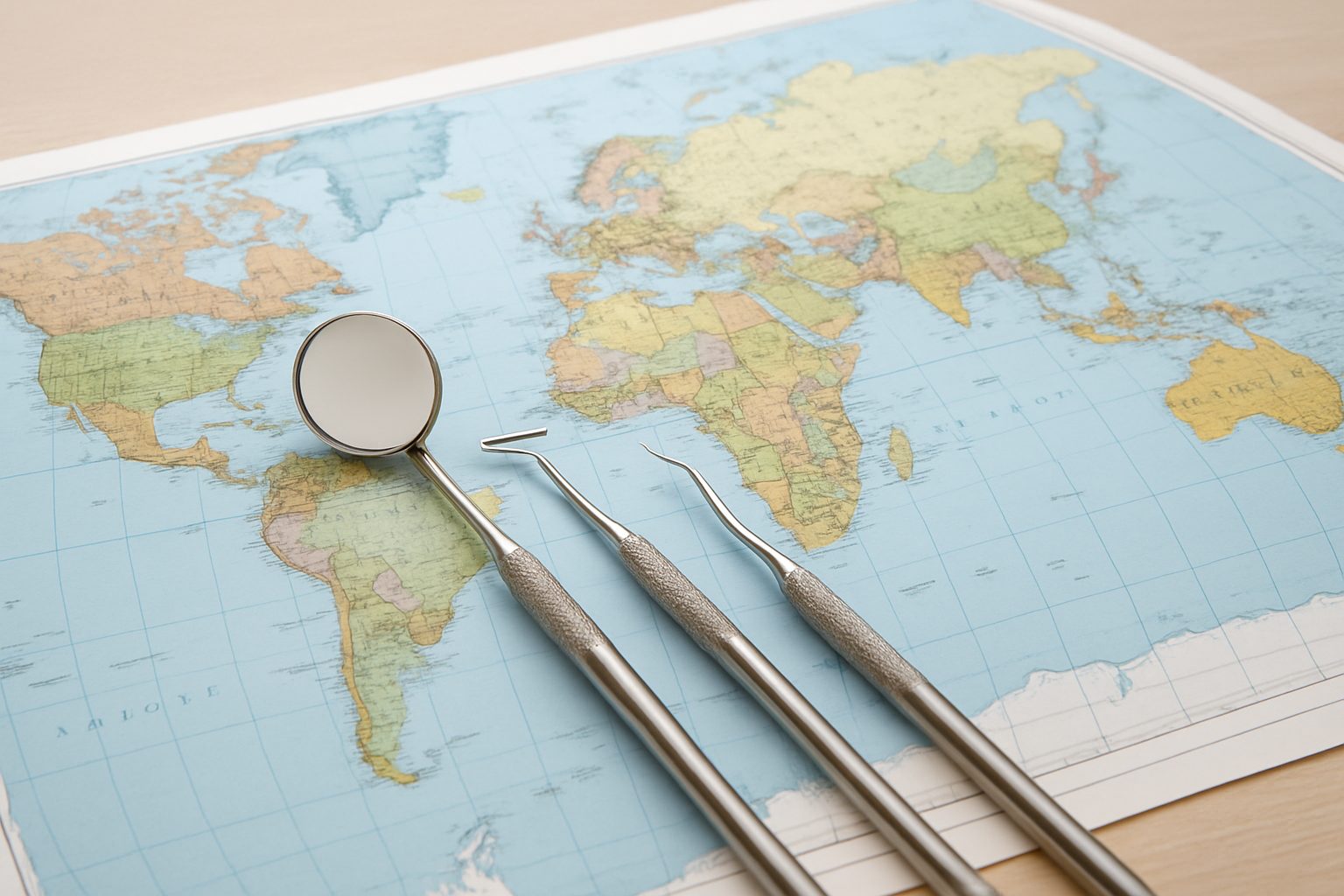
Dental education is built on a strong foundation of academic learning, practical training, and patient care. However, gaining experience in different healthcare environments can significantly expand a student’s understanding of dentistry and improve professional confidence. Participating in international clinical experiences allows aspiring dental professionals to observe varied treatment methods, understand diverse patient needs, and develop communication skills that are valuable throughout their careers. Choosing **dentistry internships abroad offers an opportunity to combine clinical exposure with cultural learning, creating a well-rounded educational experience that supports long-term professional growth.
Jump To
- Why do international dental internships matter?
- What clinical experiences can participants expect?
- How do internships improve professional confidence?
- Can internships improve communication skills?
- How do students benefit from multicultural healthcare settings?
- What role does preventive dentistry play during internships?
- How do internships support academic learning?
- What personal qualities are developed through international experience?
- How can internships support future career opportunities?
- What should students consider before applying?
- How do dentistry internships contribute to long-term professional growth?
Why do international dental internships matter?
Dental care systems differ across countries in terms of patient management, treatment protocols, technology, and public health priorities. Exposure to these differences helps students appreciate the importance of adaptability and evidence-based practice.
International internships also encourage participants to understand how cultural backgrounds influence oral health habits, preventive care, and patient expectations. This broader perspective prepares future dental professionals to work confidently with diverse populations in any healthcare setting.
What clinical experiences can participants expect?
Although responsibilities vary depending on local regulations and educational backgrounds, dental internships typically provide opportunities to observe and assist with a variety of clinical activities.
These experiences help bridge the gap between classroom learning and practical clinical environments while reinforcing theoretical knowledge.
How do internships improve professional confidence?
Confidence develops through repeated exposure to real clinical situations. Watching experienced professionals communicate with patients, make treatment decisions, and manage daily clinical workflows helps students understand the realities of dental practice.
Internships also encourage participants to ask questions, reflect on clinical observations, and strengthen critical thinking. As students become more familiar with professional environments, they gain greater confidence in applying academic concepts to practical situations.
Can internships improve communication skills?
Effective communication is one of the most valuable skills in dentistry. Successful treatment depends not only on technical ability but also on explaining procedures, addressing patient concerns, and building trust.
International internships expose participants to patients from various cultural and linguistic backgrounds. Even when language differences exist, students learn the importance of empathy, active listening, and respectful communication.
These interpersonal skills remain valuable regardless of where graduates eventually practice.
How do students benefit from multicultural healthcare settings?
Healthcare professionals increasingly serve diverse communities. Understanding different cultural beliefs related to oral health improves patient-centered care.
These experiences contribute to becoming more compassionate and culturally competent dental practitioners.
What role does preventive dentistry play during internships?
Many internship programs emphasize prevention alongside treatment. Students often observe community education programs that promote oral hygiene, nutrition awareness, and preventive dental care.
Understanding preventive strategies helps future dentists appreciate how education can reduce long-term oral health challenges. It also reinforces the importance of public health initiatives that encourage healthier communities.
How do internships support academic learning?
Practical observation reinforces classroom education by connecting theoretical concepts with real patient care.
Seeing these principles applied in daily practice helps strengthen long-term knowledge retention.
What personal qualities are developed through international experience?
Beyond clinical learning, international internships encourage personal development. Living and working in a different country requires flexibility, independence, and problem-solving.
These characteristics are highly valued in modern healthcare environments and contribute to future career success.
How can internships support future career opportunities?
International experience demonstrates initiative, curiosity, and a willingness to learn beyond traditional academic settings. Employers and educational institutions often appreciate applicants who have gained broader perspectives through global healthcare exposure.
Students also build valuable professional networks by interacting with dentists, supervisors, educators, and fellow interns from different countries. These connections can inspire future learning opportunities and professional collaboration.
What should students consider before applying?
Preparing for an international internship involves understanding program expectations, educational requirements, travel arrangements, and professional responsibilities.
Students should also research:
Clinical observation opportunities
Learning objectives
Cultural expectations
Health and safety guidelines
Professional conduct requirements
Documentation needed before participation
Careful preparation allows participants to focus fully on learning once the internship begins.
How do dentistry internships contribute to long-term professional growth?
International dental internships provide much more than clinical observation. They encourage continuous learning, broaden global awareness, and strengthen both technical and interpersonal skills. Students return with a deeper appreciation for patient-centered care, improved communication abilities, and greater confidence in professional settings.
For aspiring dental professionals, participating in international clinical experiences supports lifelong learning while developing the flexibility required in today’s evolving healthcare environment. By combining academic knowledge with practical exposure and cultural understanding, these opportunities help prepare future dentists to deliver compassionate, ethical, and high-quality oral healthcare wherever their careers may lead.