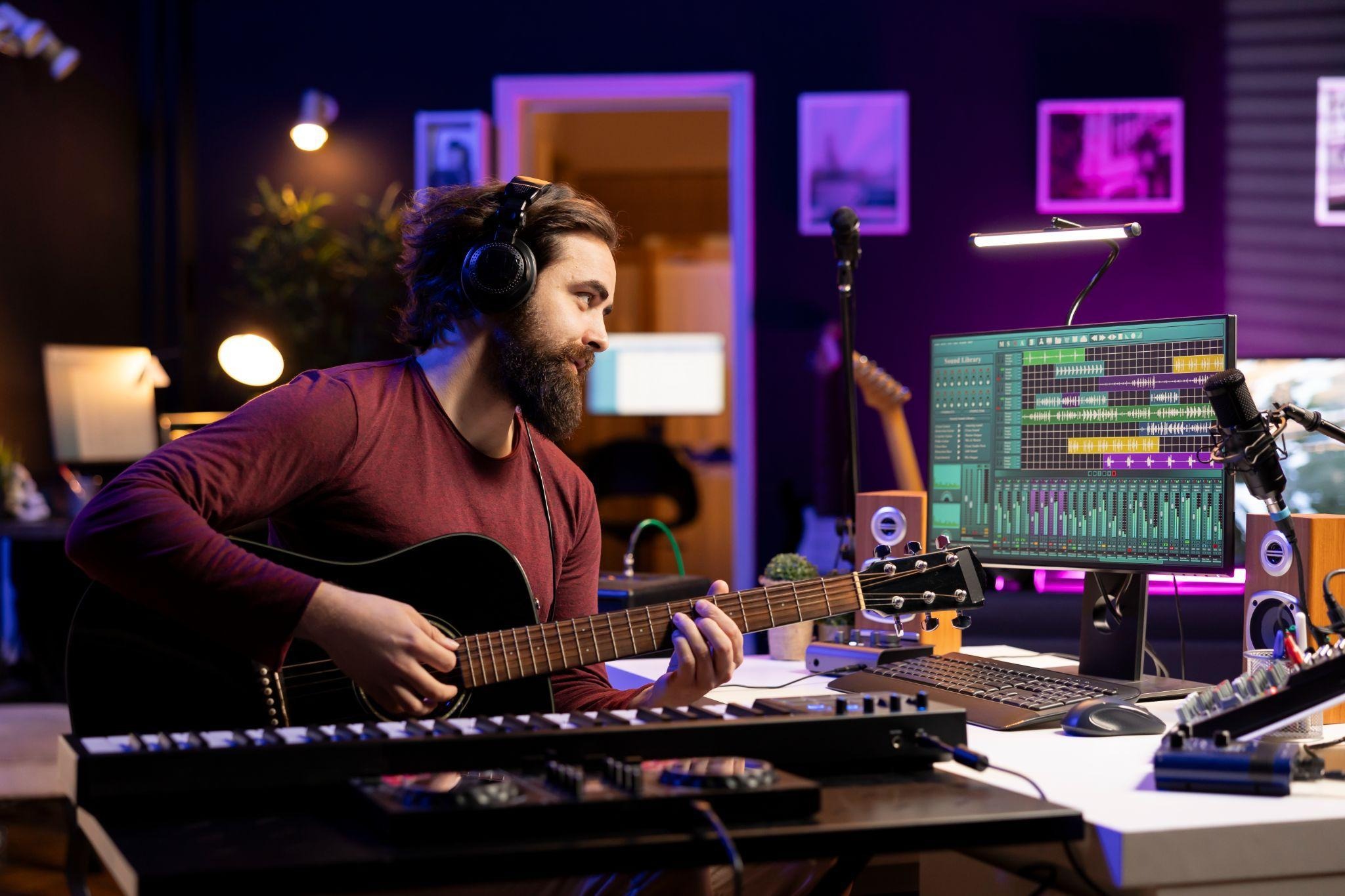
Every music school begins with a simple vision: helping students grow through practice, discipline, and creativity. But as classes expand and students increase, one question becomes increasingly important. How do educators truly measure progress beyond attendance and assignments? This is where structured visibility into learning progress becomes essential, especially when using music school student tracking software to understand how each learner is evolving over time.
Today’s music education is no longer limited to classrooms or fixed lesson plans. Students learn at different speeds, practice in different environments, and respond differently to teaching methods. Without proper tracking, even the most dedicated teaching efforts can miss subtle progress signals that define long-term success.
Understanding Student Progress Beyond Surface-Level Learning
Music learning is layered. A student may attend every class but still struggle with timing, expression, or consistency. Another may progress rapidly in technique but lack confidence during performance.
Tracking performance helps teachers move beyond assumptions and focus on real development patterns.
Key areas where tracking becomes important include:
- Skill consistency over time
- Practice discipline outside class
- Response to feedback and corrections
- Performance readiness
Without structured tracking, these insights often remain invisible, making it harder to personalize teaching strategies.
Why Visibility Into Learning Progress Is Becoming Essential
Modern music education environments are expanding quickly, especially with hybrid and online learning formats. Teachers are no longer interacting with a single group in one physical space; they are managing multiple learners across different schedules and formats.
This shift makes it important to adopt systems that centralize student insights. Many institutions now rely on management software for music schools to bring structure to learning data, communication, and student monitoring in one place.
This helps educators:
- Identify struggling students early
- Adjust lesson plans based on real performance
- Maintain continuity in learning goals
- Reduce dependency on memory-based evaluation
Instead of relying only on classroom observation, teachers gain a more complete view of each student’s journey.
Building Stronger Learning Outcomes Through Structured Tracking
When performance tracking becomes part of the learning system, it naturally improves outcomes. Students become more aware of their progress, and teachers can guide them more effectively.
Key benefits include:
1. Personalized Learning Paths
Every student develops differently. Tracking allows instructors to adjust teaching pace and method based on individual progress.
2. Clear Goal Setting
Students perform better when they understand what they are working toward. Tracking creates measurable milestones.
3. Consistent Practice Motivation
When students see improvement documented over time, they are more likely to stay engaged.
4. Better Communication With Parents
Parents gain clearer visibility into their child’s development instead of relying only on verbal updates.
These elements together create a more structured and encouraging learning environment.
How Data Insights Improve Teaching Decisions
Performance tracking is not just about recording progress; it is about interpreting it. Teachers can identify patterns that influence how lessons are structured.
For example:
- Repeated rhythm errors may indicate gaps in foundational training
- Slow progress in technique may suggest the need for revised practice routines
- Strong theoretical understanding, but weak performance may require more application-based exercises
At this stage of growth, many educators integrate music school student tracking software into their workflow to reduce manual monitoring and improve decision-making accuracy.
This allows teachers to spend more time teaching and less time managing scattered information.
Strengthening Institutional Growth Through Smarter Systems
As music schools scale, managing student performance manually becomes increasingly complex. Multiple classes, varied skill levels, and diverse learning goals require a structured system.
Institutions often adopt digital solutions that unify learning, communication, and tracking under one ecosystem. This is where management software for music schools plays an important role in simplifying operations while maintaining educational quality.
With structured tracking systems, schools can:
- Evaluate teaching effectiveness
- Monitor batch-wise performance trends
- Improve curriculum planning
- Identify high-performing students for advanced programs
This transforms student tracking from a simple administrative task into a strategic growth tool.
The Role of Technology in Modern Music Education
Technology is reshaping how music is taught and learned. From digital practice logs to progress dashboards, educators now have tools that make student growth measurable and actionable.
Instead of relying on scattered notes or memory-based feedback, teachers can now access structured performance histories that support consistent improvement.
Many institutions integrate platforms that combine teaching, communication, and analytics in one environment. These systems help educators maintain continuity even when students switch between in-person and online learning formats.
Creating a More Engaged Learning Experience
When students understand their progress clearly, learning becomes more engaging. They begin to take ownership of their improvement instead of relying solely on instructor feedback.
This creates:
- Higher practice discipline
- Stronger performance confidence
- Better retention of skills
- Increased long-term interest in music
Tracking systems also help identify when students need encouragement or additional support, making the learning experience more balanced and responsive.
Why Schools Are Moving Toward Integrated Solutions
Music schools are increasingly looking for systems that go beyond basic administration. They want platforms that support teaching quality, student engagement, and performance visibility together.
Some institutions are adopting platforms that combine tracking, communication, and lesson management into a unified workflow. These systems help maintain consistency across different teachers and batches while improving overall learning outcomes.
Conclusion
Student performance tracking is no longer optional in music education; it has become a core element shaping how students grow and how institutions evolve. With structured insights, educators can personalize learning, improve engagement, and make informed decisions that directly support student success, while modern platforms also simplify operations by bringing teaching, tracking, and collaboration into one connected system for better learning outcomes.
If you are looking for a structured way to manage and enhance student learning experiences, Mousiki continues to support this transformation by offering an integrated system designed for music education communities. Built to connect teachers, students, and parents, it enables structured learning, clear communication, and consistent progress tracking. With its role as a modern music teaching studio software, Mousiki helps institutions create organized, scalable, and engaging learning experiences for long-term growth.