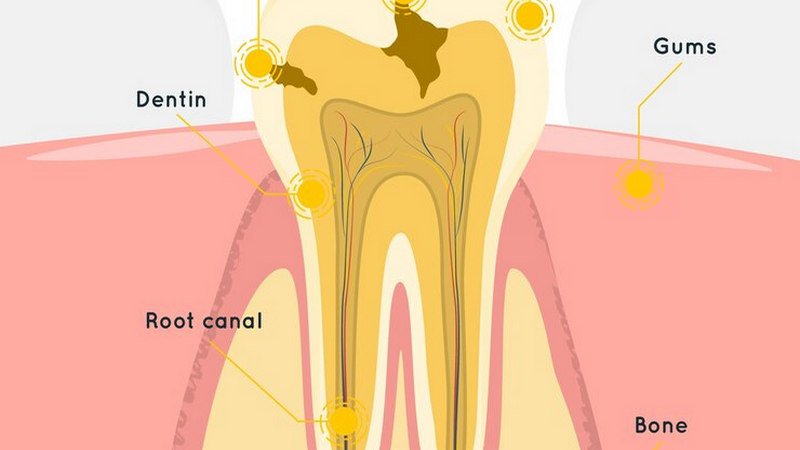
Dental experts agree that root canal treatment is often considered the most painful dental procedure. Many dread the idea of undergoing this common treatment due to the discomfort associated with it. Despite advancements in technology and anesthesia, the fear of pain still lingers for many patients. Understanding why root canals are perceived as painful can help alleviate some of the anxiety associated with this necessary dental procedure. Let’s dive into the intricacies of what makes a root canal treatment notorious for being the most painful dental procedure.

What Is the Most Painful Dental Procedure?
Going to the dentist can be a scary thought for many people, especially when they hear about painful dental procedures. But have you ever wondered what the most painful dental procedure actually is? In this blog post, we will explore various dental procedures that are known to cause discomfort and pain, and discuss tips on how to manage dental anxiety. Let’s dive in!
The Dreaded Root Canal: Myth vs. Reality
One of the most feared dental procedures is the root canal. Many people believe that root canals are extremely painful, but the reality is quite different. While it’s true that root canals have a bad reputation, advancements in dental technology and anesthesia have made the procedure much more comfortable than it used to be.
During a root canal, the dentist will numb the area around the tooth with local anesthesia to ensure you don’t feel any pain during the procedure. The dentist will then remove the infected pulp from the tooth, clean the area, and seal it to prevent further infection. While you may experience some discomfort after the procedure, it is generally manageable with over-the-counter pain medication.
The Truth About Tooth Extractions
Tooth extractions are another common dental procedure that can cause anxiety and fear in patients. The thought of having a tooth pulled out can be scary, but in reality, tooth extractions are usually quick and relatively painless. Before the extraction, the dentist will administer local anesthesia to numb the area around the tooth, ensuring you don’t feel any pain during the procedure.
After the extraction, you may experience some discomfort and swelling, but this can be managed with pain medication and following your dentist’s post-operative instructions. It’s important to remember that tooth extractions are often necessary to prevent further dental issues and improve your overall oral health.
Managing Dental Anxiety
For many people, the fear of dental procedures stems from anxiety about the unknown and the fear of pain. If you are someone who experiences dental anxiety, there are several strategies you can use to help manage your fears and feel more comfortable during your dental visits.
1. Communicate with Your Dentist
One of the most important things you can do to alleviate dental anxiety is to communicate openly with your dentist. Let them know about your fears and concerns so they can tailor their approach to make you feel more comfortable. Your dentist can explain each step of the procedure to you, answer any questions you may have, and adjust the treatment plan to accommodate your needs.
2. Practice Relaxation Techniques
Practicing relaxation techniques, such as deep breathing or visualization, can help calm your nerves before and during a dental procedure. Take slow, deep breaths to relax your body and mind, and visualize yourself in a peaceful place to distract yourself from any discomfort.
3. Choose a Dentist Who Specializes in Treating Anxious Patients
Some dentists specialize in treating patients with dental anxiety and may offer additional services, such as sedation dentistry, to help you feel more at ease during your visit. If you have severe dental anxiety, consider seeking out a dentist who has experience working with anxious patients.
While dental procedures can be intimidating, modern dentistry has made significant advancements in pain management techniques to ensure patients are as comfortable as possible. The most painful dental procedure varies from person to person, as pain tolerance and individual experiences differ.
Remember, communication with your dentist, practicing relaxation techniques, and seeking out a dentist who specializes in treating anxious patients can help you feel more at ease during dental visits. By understanding the various dental procedures and learning how to manage dental anxiety, you can take control of your oral health and have a more positive experience at the dentist’s office.
Don’t let fear prevent you from taking care of your smile – your oral health is important, and dentists are here to help you maintain a healthy and beautiful smile!
How To Survive the Most Painful Dental Procedures
Frequently Asked Questions
What are some of the most painful dental procedures?
Some of the most painful dental procedures include root canals, tooth extractions, and periodontal surgeries. These procedures may cause discomfort due to the need for invasive techniques and prolonged exposure to dental tools.
Why are root canals considered one of the most painful dental procedures?
Root canals are often considered painful due to the necessity of removing infected tissue from within the tooth roots. The procedure involves drilling into the tooth, cleaning out the infected pulp, and filling the space with a synthetic material, causing discomfort for some patients.
Is tooth extraction a painful dental procedure?
Tooth extraction can be a painful dental procedure, especially if the tooth is impacted or requires surgical removal. The process involves numbing the area with local anesthesia, but some patients may experience discomfort during and after the extraction due to the pressure and pulling involved.
How does periodontal surgery cause pain?
Periodontal surgery, such as gum grafting or flap surgery, can be painful due to the invasive nature of the procedure. During these surgeries, the gum tissue is cut and reshaped, which can lead to post-operative discomfort and sensitivity. Proper pain management techniques are typically used to help alleviate this discomfort.
Final Thoughts
In conclusion, root canal treatment is often considered the most painful dental procedure. Despite advancements in technology and anesthesia, the intricate nature of this procedure can cause discomfort. Patients may experience some level of pain during and after the treatment. Despite its reputation, proper pain management techniques can help alleviate the discomfort associated with what is considered the most painful dental procedure.