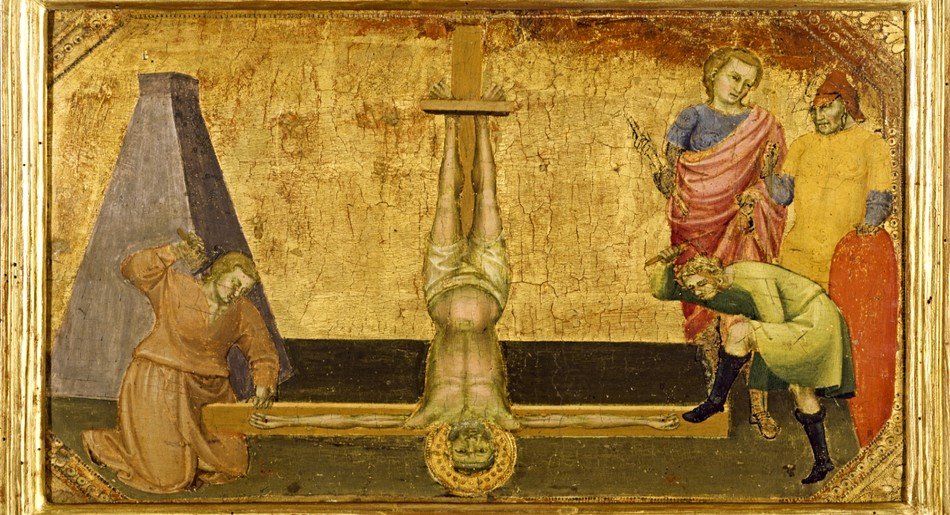
The upside-down cross symbolizes various meanings, often associated with the occult and counter-culture movements. Contrary to popular belief, it does not necessarily represent evil or satanic worship. Rather, the inverted cross has historically been linked to Saint Peter, who was crucified upside down as a sign of humility and unworthiness compared to Jesus. Understanding the true significance of what does the upside down cross represent can provide a deeper insight into its symbolism and interpretations throughout history.

What Does the Upside Down Cross Represent?
Have you ever seen an upside-down cross and wondered what it means? In popular culture, the upside-down cross is often associated with dark and mysterious imagery. But did you know that this symbol has a long history and can have different meanings depending on the context? Let’s delve into the world of symbolism and explore what the upside-down cross truly represents.
The History of the Upside Down Cross
To understand the meaning of the upside-down cross, we need to explore its origins. The upside-down cross, also known as the inverted cross, has been used as a symbol for centuries. One of the earliest known uses of the upside-down cross dates back to the Roman Empire.
In Roman times, the upside-down cross was a symbol of humility. According to Christian tradition, the apostle Peter, who was crucified by the Romans, requested to be crucified upside down as he did not feel worthy to be crucified in the same manner as Jesus Christ. This act of humility and self-sacrifice has since been associated with the upside-down cross.
Religious Symbolism of the Upside Down Cross
In Christianity, the upside-down cross can carry various meanings. While some see it as a symbol of humility and selflessness, others interpret it differently. The upside-down cross has also been linked to the concept of anti-Christian or anti-religious sentiment.
Throughout history, the upside-down cross has been used to represent rebellion against traditional Christian beliefs. It has been adopted by some groups or individuals as a symbol of defiance or opposition to established religious norms. However, it’s important to note that interpretations can vary widely, and not all uses of the upside-down cross carry negative connotations.
Modern Interpretations of the Upside Down Cross
In modern times, the upside-down cross has found its way into popular culture and is often used in fashion, music, and art. Its edgy and rebellious image has made it a popular symbol in various subcultures.
Some people wear upside-down cross jewelry or clothing as a fashion statement without necessarily subscribing to any specific religious or anti-religious beliefs. For them, the upside-down cross may simply represent a sense of nonconformity or individuality.
The Upside Down Cross in Media and Entertainment
With the rise of social media and digital platforms, the upside-down cross has become even more pervasive in popular culture. You might have seen the upside-down cross featured in movies, TV shows, or music videos.
For example, in some horror movies, the upside-down cross is used to create a spooky or ominous atmosphere. It is often associated with supernatural or demonic themes, adding a sense of mystery and danger to the narrative.
Understanding Different Perspectives
As with any symbol, the interpretation of the upside-down cross can vary greatly depending on the context and the individual using it. While some may view it as a symbol of rebellion or anti-Christian sentiment, others may see it as a sign of humility and self-sacrifice.
It’s essential to approach symbols like the upside-down cross with an open mind and consider the various meanings they can hold for different people. By understanding the history and context behind these symbols, we can appreciate the richness and complexity of human expression.
In conclusion, the upside-down cross is a symbol that has been used for centuries and holds various meanings. From its origins in Roman times as a symbol of humility to its modern interpretations in popular culture, the upside-down cross continues to intrigue and fascinate people around the world.
Whether you see the upside-down cross as a symbol of rebellion, humility, or something else entirely, it’s clear that this symbol has a rich and diverse history. By exploring the different perspectives on the upside-down cross, we can gain a deeper understanding of the complexities of symbolism and human expression.
Next time you come across an upside-down cross, take a moment to consider the many meanings it can hold and appreciate the depth of symbolism that has been associated with this intriguing symbol throughout history.
Remember, symbols are like language—they can convey different messages depending on who is using them and in what context. So, keep an open mind and embrace the diversity of interpretations when encountering symbols like the upside-down cross.
What Does An Upside-Down Cross Really Mean?
Frequently Asked Questions
What is the symbolism behind the upside-down cross?
The upside-down cross, also known as the “inverted cross” or “upside-down crucifix,” is often associated with the occult, satanism, or anti-Christian sentiment. It is used to represent defiance, rebellion, or a rejection of traditional Christian beliefs.
Does the upside-down cross always have negative connotations?
Not necessarily. In some contexts, the upside-down cross can symbolize the idea of Peter being crucified upside down, as he allegedly requested to be crucified in a different manner than Jesus out of humility. This interpretation focuses on humility and unworthiness rather than defiance.
Are there any other meanings associated with the upside-down cross?
Some modern interpretations view the upside-down cross as a symbol of questioning authority, challenging norms, or embracing alternative perspectives. It can be seen as a symbol of thinking outside the box and questioning traditional dogmas.
Final Thoughts
The upside-down cross represents various meanings, often associated with the occult and anti-Christian ideologies. It is commonly perceived as a symbol of defiance, rebellion, and inversion of traditional beliefs. This inversion can signify a challenge to authority or a rejection of societal norms. Overall, the upside-down cross is a powerful symbol that evokes strong reactions and interpretations from different perspectives.