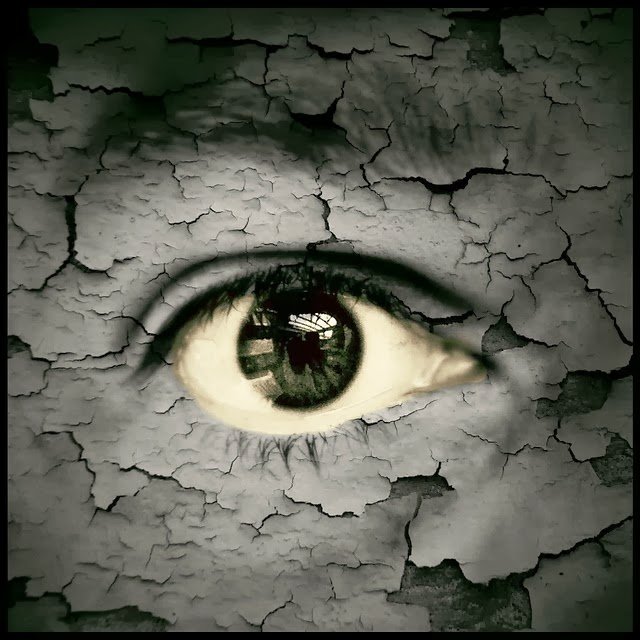
The eye in “The Tell-Tale Heart” symbolizes the narrator’s guilt and paranoia. Its all-seeing gaze pierces through his facade, revealing the inner turmoil consuming him. The eye becomes a haunting presence, tormenting the narrator until he can bear it no longer. As the story unfolds, the eye takes on a sinister significance, representing the relentless pursuit of truth and justice. Edgar Allan Poe masterfully weaves this motif throughout the narrative, leaving readers spellbound by its chilling implications.

What Does the Eye Represent in “The Tell-Tale Heart”
Welcome, young readers, to a journey into the mysterious world of Edgar Allan Poe’s classic tale, “The Tell-Tale Heart.” In this chilling story, the narrator is driven by an obsession with an old man’s eye. But what does this eye really represent? Let’s delve deeper into the symbolism and themes behind the eye in “The Tell-Tale Heart.”
The Eye as a Symbol of Fear and Guilt
From the very beginning of the story, the narrator fixates on the old man’s pale blue eye, describing it as “vulture-like.” This eye haunts the narrator, filling him with a sense of dread and unease. The eye represents the fear that the narrator feels – fear of being discovered, fear of his own actions, and fear of the old man’s gaze piercing through his facade.
As the story unfolds, the narrator’s obsession with the eye grows, leading him to commit a heinous act in an attempt to rid himself of this source of fear. The guilt and paranoia that consume the narrator are reflected in his fixation on the eye. It becomes a symbol of his own inner turmoil and the darkness lurking within his own mind.
The Eye as a Metaphor for Truth and Conscience
In “The Tell-Tale Heart,” the eye also serves as a metaphor for truth and conscience. The old man’s eye is described as “evil” and “pale blue,” characteristics that suggest a sense of moral judgment. The narrator’s inability to escape the gaze of this eye mirrors his struggle to confront his own guilt and the consequences of his actions.
Throughout the story, the narrator tries to convince both himself and the reader that he is not mad, that he is in control of his faculties. However, the relentless presence of the eye undermines his delusions, serving as a reminder of the truth he tries to deny. The eye becomes a reflection of the narrator’s own conscience, a silent witness to his descent into madness.
The Eye as a Symbol of the Unseen and the Unknowable
Another interpretation of the eye in “The Tell-Tale Heart” is as a symbol of the unseen and the unknowable. The narrator’s fixation on the old man’s eye reveals his obsession with what lies beneath the surface, with the secrets and mysteries hidden from view.
Throughout the story, the eye remains closed, shrouded in darkness. It represents the unknown, the hidden truths that the narrator is desperate to uncover but cannot fully comprehend. The narrator’s fear and paranoia stem from his inability to control or understand the mysteries that the eye represents.
The Eye as a Symbol of Isolation and Alienation
Lastly, the eye in “The Tell-Tale Heart” can be interpreted as a symbol of isolation and alienation. The narrator’s fixation on the old man’s eye highlights his own sense of separation from the world around him. He is consumed by his own thoughts and obsessions, cut off from reality and human connection.
As the story progresses, the narrator’s isolation deepens, leading him to commit a terrible act in an attempt to silence the eye that haunts him. The eye becomes a manifestation of the narrator’s own alienation, a reminder of his inability to connect with others and the consequences of his self-imposed solitude.
In conclusion, the eye in “The Tell-Tale Heart” is a complex symbol that represents fear, guilt, truth, conscience, the unseen, isolation, and alienation. It serves as a powerful metaphor for the narrator’s inner turmoil and descent into madness. Through the narrator’s obsession with the old man’s eye, Poe explores themes of human nature, morality, and the dark recesses of the mind.
So, dear readers, the next time you read “The Tell-Tale Heart,” remember to look beyond the surface and consider the deeper meanings behind the eye that watches from the shadows.
What Does The Old Man's Eye Symbolize In "The Tell-Tale Heart"? – The Prose Path
Frequently Asked Questions
What significance does the eye hold in “The Tell-Tale Heart”?
In “The Tell-Tale Heart,” the eye symbolizes the narrator’s guilt and paranoia. It represents the old man’s perceived ability to see into the narrator’s soul and secrets, prompting the narrator to commit the heinous act of murder. The eye becomes a physical manifestation of the narrator’s anxiety and fear of being discovered.
How does the eye contribute to the suspense in “The Tell-Tale Heart”?
The eye intensifies the suspense in “The Tell-Tale Heart” by serving as a focal point for the narrator’s obsession and irrational behavior. The repeated mention and emphasis on the eye build tension throughout the story, keeping the readers on edge as they witness the narrator’s increasing distress and erratic actions revolving around the eye.
What emotions does the eye evoke in the narrator of “The Tell-Tale Heart”?
The eye evokes a mix of fear, dread, and guilt in the narrator of “The Tell-Tale Heart.” The sheer presence of the eye causes the narrator to experience overwhelming anxiety and paranoia, leading to a deep sense of unease and desperation. The narrator’s conflicting emotions towards the eye drive the narrative and reveal the extent of his disturbed mental state.
Final Thoughts
In Edgar Allan Poe’s “The Tell-Tale Heart,” the eye symbolizes the narrator’s guilt and inner conscience. The eye serves as a constant reminder of the old man’s humanity, which the narrator seeks to rid himself of by committing the heinous act. Ultimately, the eye represents the unrelenting presence of the narrator’s guilt that leads to his downfall. The chilling tale unfolds with the eye as a central motif, serving to reveal the dark depths of the human psyche.