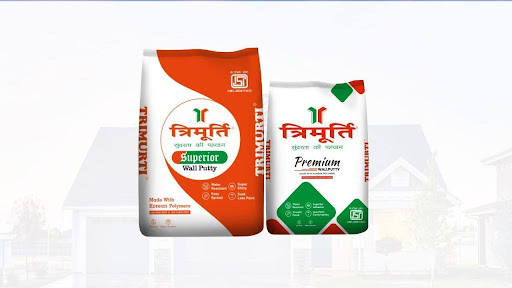
A truly professional wall finish begins long before the first coat of paint is applied. While colour and texture often take center stage, the real foundation of a flawless surface lies beneath the paint, in the preparation process. Wall putty plays a decisive role in this stage, helping walls achieve uniformity, strength, and visual refinement. This is why experienced wall putty suppliers consistently stress the importance of selecting the right putty and applying it correctly for long-lasting results.
This guide explores the complete role of wall putty in professional wall finishing and offers practical insights on choosing the right type for different surfaces.
What Is Wall Putty and Why Is It So Important?
Wall putty is a fine finishing material, usually cement-based or acrylic-based, applied to walls and ceilings before painting. Its primary function is to correct surface-level imperfections such as hairline cracks, pores, dents, and uneven textures. By creating a smooth and consistent base, wall putty ensures that paint adheres evenly and performs better over time.
Without wall putty, even high-quality paints may appear patchy, uneven, or dull. Professional painters rely on putty to eliminate surface flaws that become more visible after painting, especially under strong lighting.
The Role of Wall Putty in Professional Wall Finishing
In professional projects, wall finishing is not only about appearance but also about durability and performance. Wall putty contributes in several essential ways:
1. Surface Uniformity and Smoothness
Putty levels out minor undulations and imperfections, ensuring that walls feel smooth to the touch and look visually consistent.
2. Improved Paint Adhesion
Paint bonds far more effectively to a putty-treated surface. This reduces issues such as peeling, blistering, and flaking over time.
3. Enhanced Durability
A properly applied layer of wall putty adds strength to the surface, helping it resist moisture, minor cracks, and everyday wear.
4. Reduced Paint Consumption
Smooth walls require fewer paint coats. This not only improves finish quality but also makes painting more cost-efficient in the long run.
5. Better Aesthetic Outcome
Wall putty allows colours to appear brighter and more even, giving the final surface a premium, polished look.
Types of Wall Putty and Their Applications
Understanding different putty types is crucial to selecting the right one for specific surfaces.
Cement-Based Wall Putty
This type is made from white cement, polymers, and mineral additives. It is widely used for both interior and exterior walls due to its strength and resistance to moisture. Cement-based putty is particularly suitable for newly plastered surfaces and areas exposed to varying weather conditions.
Acrylic Wall Putty
Acrylic putty is water-based and comes ready to use. It is commonly used for interior walls and renovation projects. Known for its smooth finish and fast drying time, acrylic putty is ideal for previously painted or slightly damaged surfaces.
How to Choose the Right Wall Putty for Different Surfaces
Each surface has unique characteristics, and choosing the wrong putty can compromise the finish.
Newly Plastered Walls
Fresh plaster surfaces benefit most from cement-based wall putty. It bonds strongly with the base, fills micro-pores, and creates a solid foundation for paint.
Old or Damaged Walls
Walls with minor cracks, dents, or uneven areas are best treated with acrylic wall putty. Its flexibility and ease of application help restore surfaces without extensive preparation.
Interior Walls
Acrylic wall putty is often preferred indoors due to its fine finish, low shrinkage, and quick drying properties. It provides an excellent base for decorative and premium paints.
Exterior Walls
Exterior walls face rain, heat, and humidity. Cement-based wall putty is ideal here, as it offers better resistance to moisture, temperature fluctuations, and surface cracking.
Ceilings
Ceilings require putty with strong adhesion and minimal sagging. Cement-based putty ensures even coverage and long-term stability on overhead surfaces.
Key Factors to Consider When Buying Wall Putty
Selecting wall putty should be based on performance rather than convenience alone. Professionals typically consider:
- Type and condition of the surface
- Interior or exterior application
- Resistance to moisture and cracking
- Ease of application and drying time
- Finish quality required for final paint
At this stage, many buyers also evaluate wall care putty price, comparing not just cost per bag but coverage, durability, and long-term maintenance benefits.
Best Practices for Applying Wall Putty
Correct application is as important as choosing the right product.
- Surface Cleaning: Remove dust, grease, loose particles, and old paint.
- Moistening: Slightly damp surfaces improve adhesion, especially for cement-based putty.
- Proper Mixing: Mix powder putty with clean water to achieve a smooth, lump-free paste.
- Thin Coats: Apply evenly in thin layers (1–1.5 mm) to avoid cracking.
- Drying Time: Allow each coat to dry fully before sanding or applying the next layer.
- Sanding and Priming: Light sanding followed by primer ensures a flawless paint-ready surface.
How Wall Putty Fits into the Overall Construction Process
Wall putty acts as a crucial bridge between structural surfaces and decorative finishes, playing an essential role in achieving smooth, uniform walls. Applied after plastering and before priming or painting, it helps level out minor surface imperfections such as cracks, pores, dents, and uneven textures. This preparation ensures that walls and ceilings are structurally sound and visually consistent before final finishes are applied.
In professional construction workflows, wall putty works in coordination with plaster, primer, paint, and adhesives to enhance overall performance and durability. Proper surface preparation using wall putty allows paints to adhere better, improves coverage, and prevents issues such as peeling or patchy finishes over time. By creating a stable, refined base, wall putty supports both the aesthetic appeal and long-term integrity of the construction, ensuring that decorative elements perform as intended and maintain their quality for years to come.
Conclusion
Wall putty is a critical yet often understated element of professional wall finishing. From improving paint adhesion to enhancing durability and aesthetics, its role extends far beyond surface correction. Choosing the right type of putty for each surface ensures smoother finishes, longer-lasting walls, and better overall performance.
In structured construction systems, Trimurti’s wall care solutions are often referenced alongside complementary materials such as tile-fixing chemicals, as both contribute to surface stability and finishing accuracy. Their approach focuses on adaptability, material consistency, and adherence to industry standards, supporting reliable wall preparation across varied applications without overt promotion.