Salon environments now depend heavily on furniture layout, treatment efficiency, plus client comfort during extended beauty sessions. Interior structure influences more than visual presentation alone because seating ergonomics, hygiene management, alongside technician accessibility directly affect how smoothly salon operations function throughout the day.
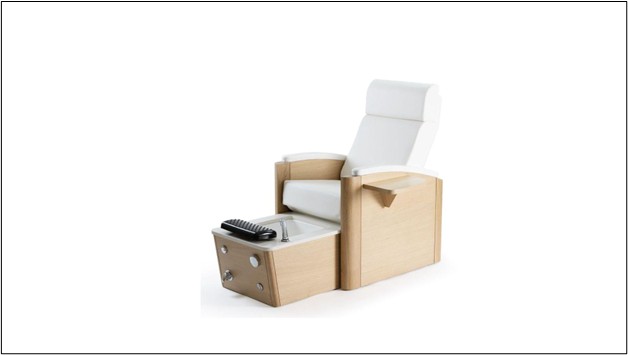
Across premium beauty spaces, equipment selection has become more deliberate than purely decorative. Many salon owners evaluating a Manicure Pedicure Chair now examine sanitation support, technician workflow, material durability, plus client relaxation features because modern salon expectations extend far beyond appearance alone.
Salon Furniture Shapes the Overall Service Environment
Beauty treatments often involve extended seating duration. Clients remain stationary during nail care sessions, spa treatments, plus foot therapy procedures that may continue for long periods without interruption. Furniture design therefore affects both operational comfort and customer perception simultaneously.
Within modern salon interiors, furniture arrangement also contributes to movement efficiency. Technicians require organized access to tools, storage areas, alongside treatment positioning while maintaining a visually balanced workspace capable of supporting premium service presentation.
A poorly planned layout creates visible disruption. Crowded stations, uncomfortable seating angles, or difficult technician access points can reduce treatment efficiency quickly, especially during peak booking periods where continuous client turnover places additional pressure on salon workflow.
Hygiene Standards Continue to Influence Equipment Selection
Salon sanitation has become a major purchasing factor across professional beauty spaces. Clients increasingly notice cleaning procedures, water circulation systems, plus material finishes when evaluating whether a salon maintains consistent hygiene standards.
Alongside visual cleanliness, operational practicality also matters. Equipment requiring simplified maintenance often supports faster preparation between appointments while reducing long-term servicing complications for salon operators managing multiple treatment stations.
Functional Design Features Supporting Salon Operations
Professional salon furniture now combines operational utility with aesthetic presentation. Seating flexibility, integrated storage support, plus maintenance-friendly construction all contribute to smoother treatment execution during active business hours.
Ergonomic Seating Structure
Extended nail and foot treatments require seating designed to support posture stability for both technicians and clients. Cushioned support, balanced positioning, alongside comfortable arm placement help improve treatment comfort during longer sessions.
Durable Material Selection
Salon furniture experiences constant daily usage. Moisture-resistant surfaces, reinforced structural components, plus easy-clean upholstery materials often improve long-term operational durability within high-traffic salon environments.
Technician Accessibility
Efficient treatment execution depends on practical workstation access. Organized positioning allows technicians to manage tools, treatment products, plus client interaction without creating unnecessary movement restrictions during appointments.
Space Optimization
Modern salon interiors frequently balance visual openness with functional efficiency. Compact workstation planning, integrated storage options, alongside organized treatment zones support smoother movement throughout busy service hours.
Water Management Systems Have Changed Pedicure Station Design
Pedicure equipment design has evolved significantly because hygiene expectations continue rising across professional beauty environments. Water circulation systems now receive closer attention from salon owners seeking maintenance-friendly operational solutions capable of supporting repeated daily usage.
What happens when cleaning procedures become too time-consuming between appointments while client schedules remain fully booked? Operational delays build quickly. Simplified sanitation structures therefore play a larger role in equipment evaluation than purely decorative styling alone.
Reduced Internal Plumbing Complexity
Modern pedicure systems often prioritize simplified water circulation structures to support easier maintenance procedures. Reduced internal piping can also assist with cleaning access during routine sanitation cycles.
Faster Cleaning Procedures
Equipment supporting quicker preparation between appointments helps salons maintain smoother booking transitions throughout active business hours. Efficient cleaning structures also contribute to more consistent operational scheduling.
Maintenance Accessibility
Service-friendly equipment design supports easier inspection, component access, plus routine maintenance management over extended operational periods within professional salon settings.
Client Comfort Features
Pedicure seating frequently incorporates cushioned support, footrest positioning, alongside integrated relaxation features designed to improve overall treatment experience during longer appointments.
- Organized layouts improve technician movement during active treatment cycles.
- Simplified sanitation procedures support faster appointment preparation.
- Durable finishing materials contribute to long-term furniture performance.
Interior Presentation Influences Brand Perception
Furniture selection also affects how salons organize premium treatment categories within limited commercial space. Nail studios, luxury spas, alongside hybrid beauty lounges frequently require adaptable layouts capable of supporting both aesthetic presentation and continuous appointment flow without making interiors appear overcrowded.
In many professional environments, furniture placement contributes directly to customer movement throughout reception areas, waiting sections, and treatment stations. Structured layouts help reduce congestion while maintaining a calmer atmosphere during peak operational hours when multiple services run simultaneously.
- Coordinated furniture arrangement improves visual balance across treatment areas.
- Organized workstation spacing supports smoother client movement throughout interiors.
- Practical storage positioning reduces unnecessary clutter during busy appointment schedules.
Interior Presentation Influences Brand Perception
Salon furniture contributes heavily to how clients interpret service quality before treatment even begins. Seating arrangement, material finish, plus workstation organization collectively shape whether a beauty space feels premium, cluttered, or operationally inconsistent.
Across competitive beauty markets, interior presentation often affects client retention alongside service quality itself. Customers typically notice comfort, organization, plus cleanliness immediately upon entering a salon environment, particularly during high-end spa or nail treatment appointments.
Long-Term Furniture Planning Supports Operational Stability
Salon equipment purchasing decisions usually affect operations for years rather than months. Frequent replacement cycles create additional expense, scheduling disruption, plus inconsistent interior presentation across treatment spaces.
Because of that, salon operators increasingly evaluate construction quality, maintenance requirements, plus ergonomic practicality before investing in large-scale furniture upgrades for expanding beauty businesses or renovated interiors.
Operational consistency often depends on smaller details. Stable workstation functionality, easier cleaning procedures, organized treatment positioning, alongside durable construction frequently support smoother daily operations more effectively than purely trend-focused furniture selection.
Final Thoughts
What creates a salon environment that feels both operationally efficient and visually refined from the moment a client enters the space? Comfort, sanitation support, plus structured furniture planning usually determine whether treatment experiences remain smooth across daily service operations. SPA Furniture provides salon and spa equipment solutions including pedicure spas, salon chairs, manicure stations, shampoo units, alongside beauty furniture designed for professional commercial environments. Businesses evaluating a durable Pipeless Pedicure Station often prioritize hygiene-focused construction, maintenance accessibility, and client comfort within modern salon interiors.