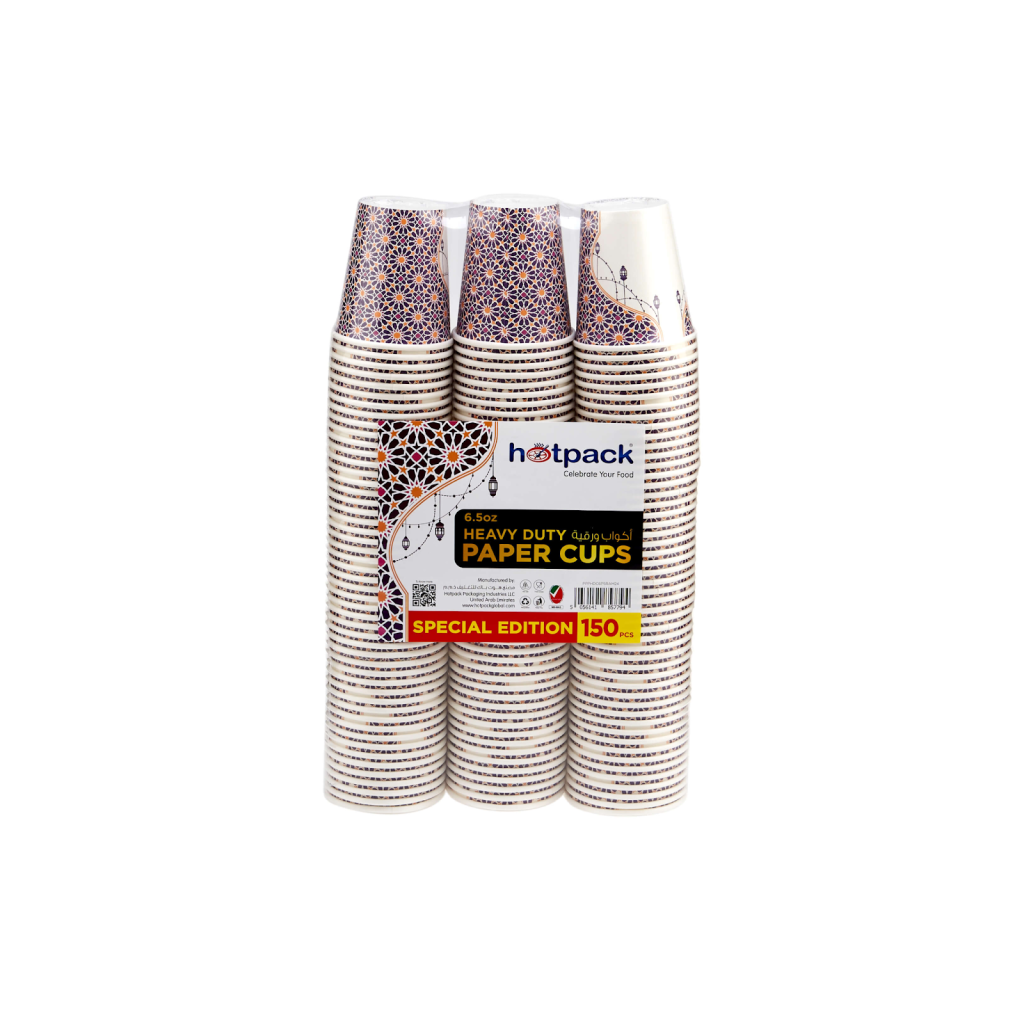
Cold beverages and blended drinks are no longer niche menu items. They are now core revenue drivers for cafés, juice bars, kiosks, and delivery-first beverage brands. As menus expand, packaging has become more than a carrying container. It directly affects product quality, customer experience, and brand recall.
Sellers who work with a reliable paper cup company in the UAE often discover that material choice, insulation, lid design, and sustainability standards influence repeat orders as much as taste does. Smart packaging decisions reduce leakage, preserve temperature, support safe transport, and improve operational efficiency across busy service hours.
Why Packaging Matters More for Cold Drinks and Smoothies
Cold beverages and smoothies create different packaging stress compared to hot drinks. Condensation, ice melt, thick textures, and extended holding times all affect cup performance. Poor packaging quickly leads to soggy exteriors, loose lids, and spill risks during transport. Temperature retention also becomes critical because product quality drops when drinks warm too quickly.
Structural rigidity plays a major role in safe handling. Cups must withstand squeezing, stacking, and movement during delivery. The exterior feel also influences customer perception at first touch. Well-designed packaging communicates hygiene and professionalism. Operationally, better packaging reduces complaints, remakes, and wasted product.
Material Selection and Performance Standards
Cup material forms the base of beverage packaging reliability. Paper cups with food-grade lining are widely used for cold drinks because they balance insulation, rigidity, and printability. Coating quality determines how well the cup resists moisture and prevents leakage. Thicker walls generally improve grip strength and handling safety.
Plastic formats are still used where product visibility is important, such as layered smoothies and fruit beverages. Many sellers now balance plastic with paper-based alternatives where possible. Compostable and recyclable materials are increasingly requested by customers. Verified food safety compliance should always be part of supplier evaluation.
Sizing Strategy for Menu Alignment
Cup size planning should follow menu engineering, not guesswork. Random sizing increases cost, slows service, and complicates storage. A structured size ladder improves workflow and purchasing efficiency. Standardization helps staff make faster decisions and reduces filling errors during peak hours.
Correct sizing also protects margins through better portion control. It prevents overfilling and reduces spill risk. Menu-based sizing keeps operations predictable. Storage planning also becomes easier when cup diameters and lid fits are rationalized.
Match Cup Volume to Drink Type
Different beverages require different headspace allowances. Smoothies need extra top clearance for foam and toppings. Iced coffees usually require more ice space but less foam allowance. Matching volume to drink type prevents overflow and lid pressure issues.
This approach supports consistent presentation across outlets. It also reduces the need for last-minute cup switching at the counter. Portion accuracy improves cost control. Staff training becomes simpler when sizes are tied to drink categories.
Consider Lid Compatibility Early
Cup and lid systems must be selected together, not separately. Dome lids, flat lids, and straw-slot lids are not universally interchangeable. Smoothie sellers often require dome lids for whipped toppings. Cold brews and iced teas usually work better with flat lids.
Secure locking grooves are essential for delivery orders. Fit testing under shake and tilt conditions should be standard practice. Early compatibility checks prevent wasted inventory. It also reduces leakage complaints after launch.
Storage and Stack Efficiency
Cup geometry affects warehouse and backroom efficiency. Stackable designs reduce shelf space usage and speed up handling. Anti-stick rim features help staff separate cups quickly during rush periods. Poor nesting design slows service lines.
Consistent rim diameters across multiple sizes can simplify lid inventory. Sleeve-packed stacks are often easier to manage than loose cartons. Bulk packaging format influences restocking speed. Small storage efficiencies produce large operational gains over time.
Procurement and Supply Chain Practicalities
Packaging is a repeat purchase category, so procurement strategy matters. Businesses that order disposable cup in Dubai through structured supply channels typically gain more consistent specifications and replenishment cycles. Reliability often proves more valuable than minor price differences.
Forecasting based on historical beverage sales improves order accuracy. Safety stock planning protects against seasonal spikes. Multi-branch sellers benefit from centralized specifications even if ordering is decentralized. Consistency across locations strengthens brand experience.
Lead Time and Stock Planning
Cold beverage demand rises sharply in warm seasons and during promotions. Cup usage can spike without much warning. Lead time awareness helps prevent emergency purchases at higher prices. Supplier responsiveness should be evaluated before commitment.
Buffer stock reduces service disruption risk. Usage tracking helps refine reorder timing. Planning should include event and campaign calendars. Procurement should be treated as an operational function, not an afterthought.
Custom Print Versus Plain Stock
Custom printed cups support brand identity but require higher minimum quantities. They also involve longer production timelines. Plain stock offers flexibility and faster restocking. Many growing sellers begin with plain cups and branded labels.
As demand stabilizes, printed packaging becomes more viable. Print quality must withstand condensation and cold surface moisture. Ink and coating compatibility testing is necessary. Visual branding should never compromise cup performance.
Vendor Capability and Product Range
Suppliers with a wide beverage packaging catalog simplify sourcing. Cups, lids, sleeves, trays, and carriers from one range improve compatibility. This reduces vendor management workload. It also lowers mismatch risk.
Quality consistency across batches is more important than catalog size. Sampling and pilot orders are practical safeguards. Documentation for food safety compliance should always be available. Supplier transparency supports long-term reliability.
Final Thoughts on Choosing the Right Smoothie and Beverage Cups
Cold beverage operations perform best when packaging decisions are deliberate and tested. Cup strength, lid fit, size logic, and supply reliability directly shape customer experience. The right smoothie cup functions as a performance tool, not just a container.
Hotpack Web Store provides a broad range of food-grade disposable beverage packaging formats, including cold drink cups, lids, and related service items used by beverage sellers. Reviewing certified specifications, compatibility options, and material standards helps businesses choose packaging that supports growth without operational friction.