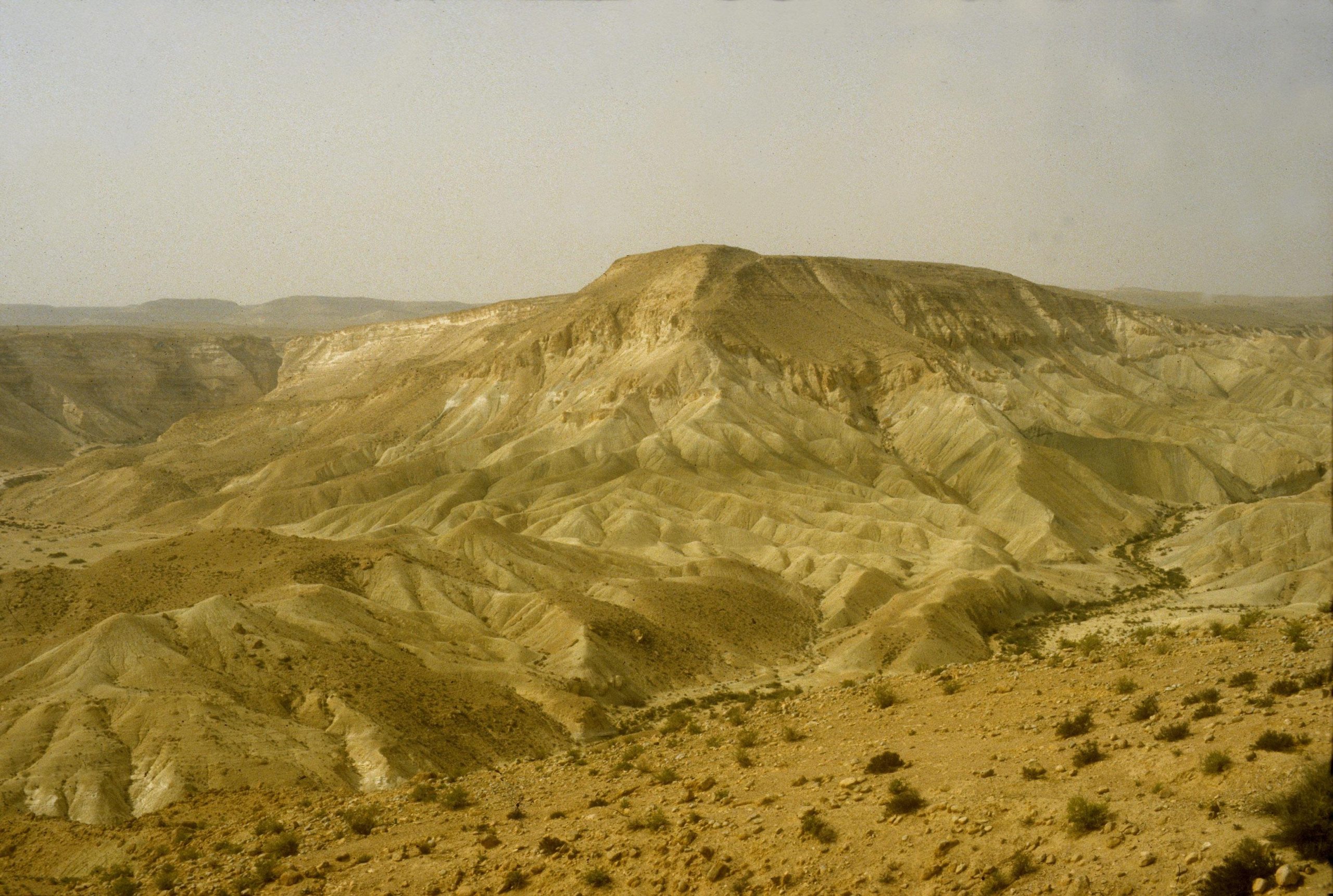
The wilderness in the Bible embodies a profound symbol of testing, transformation, and divine intervention. It is a rugged terrain where faith is refined and destinies are shaped. From the Israelites’ journey through the desert to Jesus’ forty days of fasting, the wilderness represents a sacred space of revelation and renewal. Let’s delve deeper into the significance of what does the wilderness represent in the Bible.

What Does the Wilderness Represent in the Bible
Welcome to our exploration of what the wilderness represents in the Bible. The wilderness is not just a physical place in the biblical context but holds significant symbolic meaning throughout various stories and teachings. Join us as we delve into the spiritual significance and lessons that the wilderness offers in the Bible.
The Wilderness as a Place of Testing and Preparation
Many biblical stories depict the wilderness as a place of testing and preparation. One of the most well-known examples is the story of Moses leading the Israelites through the wilderness for forty years. This period of wandering was not only a physical journey but also a spiritual one. The wilderness tested the faith and obedience of the Israelites, preparing them for the Promised Land.
The Israelites’ Journey Through the Wilderness
As the Israelites journeyed through the wilderness, they faced numerous challenges and temptations. The harsh conditions of the desert symbolized the struggles and hardships that they needed to overcome to grow spiritually. The wilderness became a place where their faith was tested, and their dependence on God was solidified.
Similarly, Jesus spent forty days and nights in the wilderness, fasting and praying, before beginning his ministry. This time of solitude and deprivation served as a period of testing and preparation for his mission ahead. The wilderness experience allowed Jesus to focus on his spiritual strength and deepen his connection with God.
The Wilderness as a Place of Revelation and Renewal
While the wilderness is often associated with testing and hardship, it is also a place of revelation and renewal in the Bible. Throughout the Old Testament, we see how prophets and individuals sought solitude in the wilderness to connect with God and receive divine guidance.
Prophets Encountering God in the Wilderness
Elijah, one of the great prophets in the Bible, experienced a powerful encounter with God in the wilderness. Fleeing from persecution, Elijah found refuge in the wilderness where God revealed Himself to him in a still, small voice. This wilderness experience renewed Elijah’s faith and strengthened his resolve to continue his prophetic mission.
Similarly, John the Baptist preached and baptized people in the wilderness, calling them to repentance and spiritual renewal. The barrenness and isolation of the wilderness provided a stark contrast to the chaos and distractions of the world, allowing people to reflect on their lives and turn back to God.
The Wilderness as a Metaphor for Spiritual Growth
Beyond being a physical location, the wilderness serves as a metaphor for spiritual growth and transformation in the Bible. Just as the Israelites and Jesus underwent trials and revelations in the wilderness, we too face our own wilderness experiences in life.
Personal Wilderness Journeys
Our personal wilderness journeys may involve periods of difficulty, uncertainty, and isolation. These experiences can feel like we are wandering aimlessly, facing challenges that test our faith and character. However, like the Israelites, we can find strength and guidance in God during these wilderness seasons.
Through prayer, reflection, and seeking God’s presence, we can emerge from our wilderness experiences with renewed faith and a deeper understanding of God’s plan for our lives. The wilderness becomes a place of transformation where our faith is refined, and our relationship with God is strengthened.
In conclusion, the wilderness holds multifaceted symbolism in the Bible, representing testing, preparation, revelation, renewal, and spiritual growth. As we journey through our own wilderness experiences, we can find comfort in knowing that God is with us every step of the way, guiding and shaping us for His purpose. May we embrace the lessons of the wilderness and emerge stronger in faith and closer to God.
The 7 Qualities Of Biblical Wilderness | Episode 1 | Land Without Borders
Frequently Asked Questions
What is the significance of the wilderness in the Bible?
The wilderness in the Bible often symbolizes a place of testing, purification, and preparation. It is where individuals are stripped of distractions and comforts, allowing them to focus on their faith and dependence on God.
How does the wilderness represent a period of transformation?
The wilderness is a place where characters in the Bible experience growth, renewal, and spiritual formation. Through struggles and challenges faced in the wilderness, individuals often emerge stronger, more reliant on God, and ready to fulfill their purpose.
In what way does the wilderness symbolize a place of intimacy with God?
The solitude and desolation of the wilderness often lead individuals to seek God earnestly. It is in this isolated setting that many find a deep, personal relationship with God, free from distractions and worldly influences.
How does the concept of the wilderness reflect divine guidance and provision?
In the Bible, the wilderness is where God demonstrates His faithfulness by providing for His people’s needs miraculously. This highlights the idea that even in the barrenness of life, God’s guidance and provision are constant and dependable.
Can the wilderness be seen as a place of spiritual renewal and growth?
Yes, the wilderness serves as a metaphor for a season of spiritual renewal and growth. Just as plants need the desert rain to flourish, individuals often need the challenges of the wilderness to deepen their faith, refine their character, and experience God’s transformative power.
Final Thoughts
The wilderness in the Bible symbolizes a place of testing, solitude, and spiritual growth. It is where individuals experience challenges and develop a deeper reliance on God. Through stories of journeys and encounters in the wilderness, the Bible shows how God’s presence and provision are constant even in barren times. In essence, the wilderness represents a transformative period where faith is refined and strengthened.