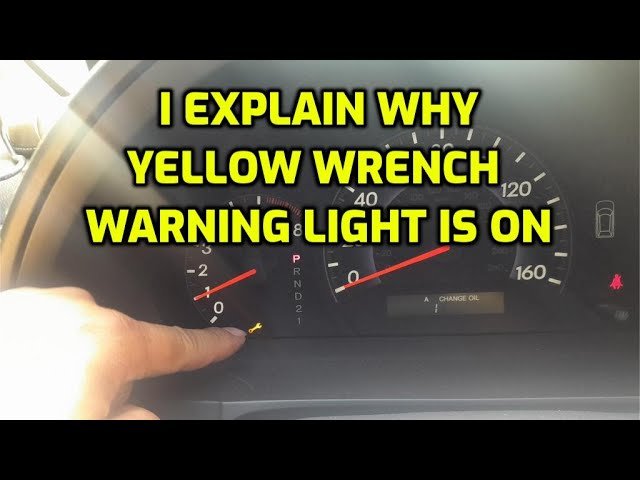
When the wrench light comes on in your car, it indicates a potential issue with the transmission or powertrain. This warning light can be alarming, but understanding its implications is crucial. Ignoring it can lead to further damage and costly repairs. In this article, we’ll delve into what does it mean when a wrench light comes on and provide insights on what steps to take when faced with this situation. Let’s unravel the mystery behind this warning light and learn how to address it effectively.

Understanding the Mysterious Wrench Light: What Does It Mean When a Wrench Light Comes On?
Picture this – you’re cruising down the road, feeling the breeze in your hair and the music blasting through the speakers, when suddenly, a strange light pops up on your dashboard. It’s not the usual suspects like the check engine light or the gas light. No, this one looks like a little wrench. So, what does it mean when a wrench light comes on? Don’t worry, I’ve got your back! Let’s dive into this mystery together and unravel the secrets behind the wrench light.
1. The Wrench Light Decoded
First things first, the wrench light is typically found in modern vehicles with electronic systems. When this light illuminates on your dashboard, it’s your car’s way of letting you know that something requires attention. Unlike the check engine light, which signals issues related to the engine itself, the wrench light is usually associated with the vehicle’s electronic throttle control system or the powertrain. In simple terms, it’s like your car’s way of saying, “Hey, something’s up, and I need you to check it out!”
2. Possible Causes of the Wrench Light
Now that we know what the wrench light signifies let’s explore some common reasons why it might come on:
a. Electronic Throttle Control (ETC) System Issues
One common culprit behind the wrench light is problems with the Electronic Throttle Control system. This system regulates the engine’s throttle opening based on driver input. If there’s a glitch or malfunction in the ETC system, it can trigger the wrench light to come on. This issue can lead to reduced engine performance, poor acceleration, or even your vehicle going into a “limp mode,” where it operates at lower power to prevent further damage.
b. Transmission Problems
Sometimes, issues with the transmission can also cause the wrench light to illuminate. Your car’s transmission is responsible for shifting gears smoothly and efficiently. If there are issues with the transmission, such as low fluid levels, a malfunctioning solenoid, or worn-out components, it can trigger the wrench light to alert you to the problem.
c. Powertrain Malfunctions
The powertrain of your vehicle includes the engine, transmission, and other components that work together to power your car. If there’s a malfunction in any of these critical systems, it can cause the wrench light to come on. Common powertrain issues that may trigger the wrench light include sensor failures, fuel system problems, or ignition system malfunctions.
3. What to Do When the Wrench Light Comes On
So, you’re driving along, and suddenly, the wrench light decides to make an appearance on your dashboard. What should you do? Here are some steps to take when the wrench light comes on:
a. Don’t Panic
First and foremost, try to stay calm. The wrench light is a warning signal, but it doesn’t necessarily mean your car is on the verge of breaking down. Panicking won’t help you solve the issue, so take a deep breath and focus on addressing the problem.
b. Check for Other Symptoms
Take note of any other symptoms your vehicle is exhibiting. Is the engine making strange noises? Are you experiencing rough idling or stalling? Documenting these additional symptoms can help you and your mechanic pinpoint the root cause of the wrench light coming on.
c. Pull Over Safely
If you notice a significant decrease in performance or the car behaving erratically, it’s best to pull over to a safe location. Driving with the wrench light on when the car is not operating correctly can potentially cause further damage. Safety should always be the top priority.
d. Consult a Professional
Once you’ve safely parked your car, it’s time to consult a professional mechanic or technician. They have the expertise and tools to diagnose the issue accurately and recommend the necessary repairs. Ignoring the wrench light and continuing to drive the vehicle could lead to more severe damage and costly repairs down the line.
4. Preventive Maintenance to Avoid Wrench Light Woes
While dealing with the wrench light can be stressful, there are steps you can take to prevent it from coming on in the first place. Regular maintenance and proactive care for your vehicle can go a long way in keeping the wrench light at bay. Here are some preventive maintenance tips:
a. Follow the Manufacturer’s Maintenance Schedule
One of the best ways to avoid unexpected issues with your car is to adhere to the manufacturer’s recommended maintenance schedule. Regular oil changes, fluid checks, and inspections can help identify potential problems before they escalate and trigger the wrench light.
b. Keep an Eye on Dashboard Warnings
Don’t ignore other dashboard warning lights, such as the check engine light or oil pressure warning. Addressing these warnings promptly can prevent them from developing into more significant issues that could trigger the wrench light.
c. Drive Responsibly
How you drive can impact the health of your vehicle. Avoid aggressive driving behaviors like rapid acceleration or braking, as they can put unnecessary strain on your car’s systems. Smooth driving habits can help prolong the life of your vehicle and reduce the likelihood of the wrench light coming on.
5. Conclusion
In conclusion, the wrench light serves as a valuable warning signal that shouldn’t be ignored. When it comes on, it’s essential to address the underlying issue promptly to prevent further damage and ensure your safety on the road. By understanding what the wrench light signifies and taking proactive steps to maintain your vehicle, you can keep those unexpected surprises at bay and enjoy a smoother, trouble-free driving experience. Remember, when the wrench light comes on, it’s your car’s way of saying, “Time for a check-up!”
I EXPLAIN WHAT CAUSE THE YELLOW WRENCH WARNING LIGHT TO TURN ON
Frequently Asked Questions
What is the significance of the wrench light coming on?
When the wrench light appears on your dashboard, it typically indicates a problem with the engine or transmission system. It serves as a warning light to alert you that your vehicle needs attention to prevent further damage.
What should I do when the wrench light turns on?
When the wrench light illuminates, it is crucial to address the issue promptly. You should pull over in a safe location, turn off the engine, and consult your vehicle’s owner’s manual for guidance. It is recommended to seek professional help to diagnose and resolve the underlying problem.
Can I continue driving when the wrench light is on?
It is not recommended to continue driving when the wrench light is on, as it signifies a potential issue that requires immediate attention. Continuing to drive can lead to further damage to your vehicle and possible safety risks. It’s best to address the problem as soon as possible to avoid any complications.
Final Thoughts
When the wrench light comes on, it typically indicates a problem with the vehicle’s throttle control or transmission system. This warning light should not be ignored, as it could lead to serious mechanical issues. If the wrench light illuminates, it’s crucial to address the underlying problem promptly by seeking professional assistance. Ignoring this warning could result in unsafe driving conditions and potential further damage to your vehicle. Remember, your safety and the well-being of your vehicle should always take top priority.