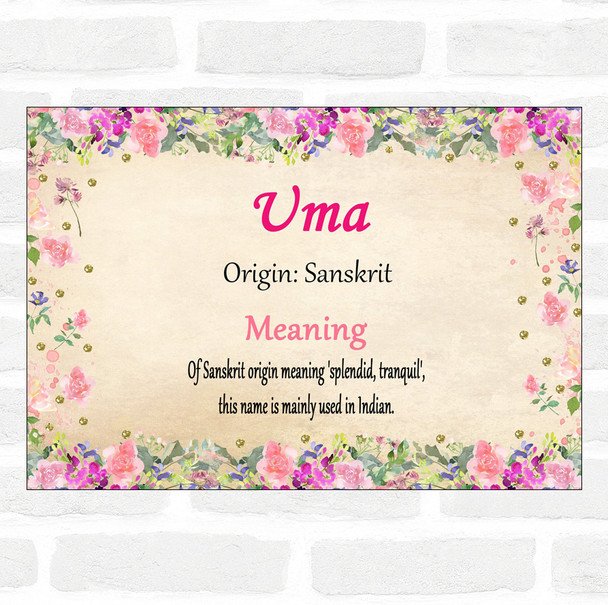
Uma, a Sanskrit name meaning “flax” or “splendor,” carries deep significance in Hindu mythology and symbolism. In Hindu culture, the name Uma is associated with the goddess Parvati, symbolizing feminine energy, power, and creativity. The name Uma represents strength, beauty, and compassion, embodying a sacred and revered essence. Exploring the meaning of Uma unveils layers of spirituality and reverence, providing insight into the richness of Hindu traditions and beliefs.

What Does “Uma” Mean: Exploring the Meaning and Significance
The Origin of the Name “Uma”
Have you ever wondered about the meaning behind the name “Uma”? In various cultures and languages, names often carry significant meanings that can tell us more about a person, a place, or even a concept. The name “Uma” has a rich history and diverse interpretations across different traditions.
In Hindu mythology, “Uma” is a name associated with the goddess Parvati, the wife of Lord Shiva. Parvati is often depicted as a gentle and nurturing figure, embodying qualities of love, devotion, and strength. The name “Uma” is said to mean “light” or “flax” in Sanskrit, symbolizing illumination and purity.
Uma as a Unisex Name
One interesting aspect of the name “Uma” is that it is considered a unisex name in some cultures. While it is more commonly used as a feminine name, especially in India, “Uma” has also been used as a masculine name in parts of Africa and other regions.
The versatility of the name “Uma” reflects the diversity and fluidity of names across different societies. Whether it is associated with a goddess, a historical figure, or simply chosen for its aesthetic appeal, “Uma” holds a unique place in the world of names.
The Cultural Significance of “Uma”
Names are not just random labels; they often carry cultural significance and can reflect the values and beliefs of a society. In the case of “Uma,” the name’s cultural significance can vary depending on the context in which it is used.
In some cultures, naming a child “Uma” may be seen as a way to honor traditions or pay homage to a particular deity. It can also be a way to connect with ancestral roots or convey a sense of heritage. Understanding the cultural significance of a name like “Uma” can deepen our appreciation for the diversity of human languages and traditions.
Modern Interpretations of “Uma”
As names evolve over time, they can take on new meanings and associations. In the modern world, “Uma” may be chosen for reasons that go beyond its traditional connotations. Some parents may be drawn to the simplicity and elegance of the name, while others may appreciate its uniqueness and individuality.
For individuals named “Uma,” the name can become a part of their identity, shaping how they see themselves and how others perceive them. In a globalized society where names travel across borders and cultures, “Uma” serves as a bridge between different linguistic traditions and a testament to the interconnectedness of human experience.
Personal Reflections on “Uma”
If you know someone named “Uma” or carry the name yourself, take a moment to reflect on what it means to you. Names have the power to evoke memories, emotions, and aspirations. Whether it brings to mind images of a goddess, a loved one, or simply a sense of individuality, “Uma” is more than just a sequence of sounds—it is a part of who you are.
In conclusion, the name “Uma” encompasses a rich tapestry of meanings, from its origins in ancient mythology to its modern-day interpretations. Whether viewed through a cultural, historical, or personal lens, “Uma” invites us to explore the complexities of language, identity, and human connection.
So, the next time you hear the name “Uma,” remember that behind those three simple letters lies a world of stories, beliefs, and possibilities.
What does UMA mean?
Frequently Asked Questions
What is the meaning of ‘uma’?
In English, ‘uma’ is a Japanese word that translates to ‘horse’. It is commonly used in the context of Japanese culture, mythology, and art.
How is the term ‘uma’ used in Japanese culture?
In Japanese culture, ‘uma’ symbolizes strength, endurance, and elegance associated with horses. It is often depicted in traditional art, stories, and festivals.
Is ‘uma’ related to any specific Japanese myths or legends?
Yes, ‘uma’ plays a significant role in Japanese mythology, where it is often portrayed as a mystical creature with supernatural abilities, embodying both physical prowess and spiritual symbolism.
Are there any cultural practices that involve ‘uma’ in Japan?
Yes, various cultural events in Japan, such as horse racing, horseback archery (yabusame), and horse festivals, showcase the significance of ‘uma’ in Japanese traditions and beliefs.
Final Thoughts
In conclusion, uma means “flax” in Sanskrit and is often associated with qualities of beauty, purity, and resilience in various cultures. The name Uma has spiritual significance, representing the divine feminine energy and power. Additionally, Uma is commonly used as a name for girls in Hindu tradition, symbolizing strength and grace. Overall, what does uma mean encapsulates a rich and deep-rooted symbolism that continues to resonate across different communities and belief systems.